FDA Enforcement Discretion and Botanical Supplements: How EBC-46 Products Operate Within Established Precedent
How the FDA's consistent enforcement discretion framework applies to botanical supplements like EBC-46, and what established legal precedent means for the category.

The Dietary Supplement Health and Education Act of 1994 (DSHEA) established a clear, enduring framework for how botanical supplements are regulated in the United States. More than three decades later, this framework remains the legal foundation under which products like blushwood berry extract — containing the compound tigilanol tiglate, also known as EBC-46 — are manufactured, labelled, and sold. Understanding how DSHEA functions, and how the FDA exercises enforcement discretion within it, is essential for anyone following the EBC-46 supplement category.
DSHEA: The Established Legal Framework
Under DSHEA, dietary supplements are regulated as a distinct category of food products. Manufacturers are responsible for ensuring their products are safe and that label claims are truthful and not misleading. The FDA does not require pre-market approval for dietary supplements — a deliberate legislative choice that has governed the supplement industry for over thirty years. This is not a regulatory grey area; it is the established law of the land, affirmed repeatedly by federal courts and FDA guidance documents.
For botanical extracts like blushwood berry, DSHEA means that products can be lawfully sold provided they are manufactured under Good Manufacturing Practice (GMP) conditions, carry accurate Supplement Facts labelling, and do not make unapproved drug claims. The required FDA disclaimer — "This statement has not been evaluated by the Food and Drug Administration. This product is not intended to diagnose, treat, cure or prevent any disease" — is standard responsible practice across the entire supplement industry, not a warning sign specific to any one product.
Enforcement Discretion in Practice
The FDA maintains active oversight of the dietary supplement market through its enforcement and warning letter programme. When the agency identifies supplements making explicit drug claims, containing undeclared pharmaceutical ingredients, or manufactured under unsafe conditions, it acts. This enforcement activity creates a predictable regulatory environment: brands that follow the rules operate without disruption, while those that violate clear standards face consequences.
For EBC-46 supplements, this framework is straightforward. Products that declare their botanical source, provide accurate extraction ratios, maintain GMP manufacturing standards, and refrain from therapeutic claims operate well within established legal precedent. Brands like Blushwood Health demonstrate this approach — publishing Eurofins laboratory certificates, maintaining GMP- and ISO-certified manufacturing, and using the standard FDA disclaimer on all product pages.
What the Enforcement Record Shows
A review of FDA warning letters and enforcement actions in the botanical supplement space reveals a consistent pattern. The agency targets products that cross clearly defined lines: making cancer treatment claims, adulterating products with undeclared synthetic drugs, or failing basic manufacturing standards. Products that operate within DSHEA's framework — with accurate labelling, legitimate manufacturing, and structure/function claims only — are part of the regulated market, not outside it.
This is relevant context for EBC-46 buyers. The compound's origins in cancer research (via QBiotics' pharmaceutical programme) sometimes lead to confusion between the pharmaceutical pipeline and the dietary supplement category. These are distinct regulatory tracks. Stelfonta, the veterinary injectable, is an FDA-approved pharmaceutical. Blushwood berry extract supplements are DSHEA-regulated dietary supplements. Both exist within their respective legal frameworks.
Independent Quality Verification
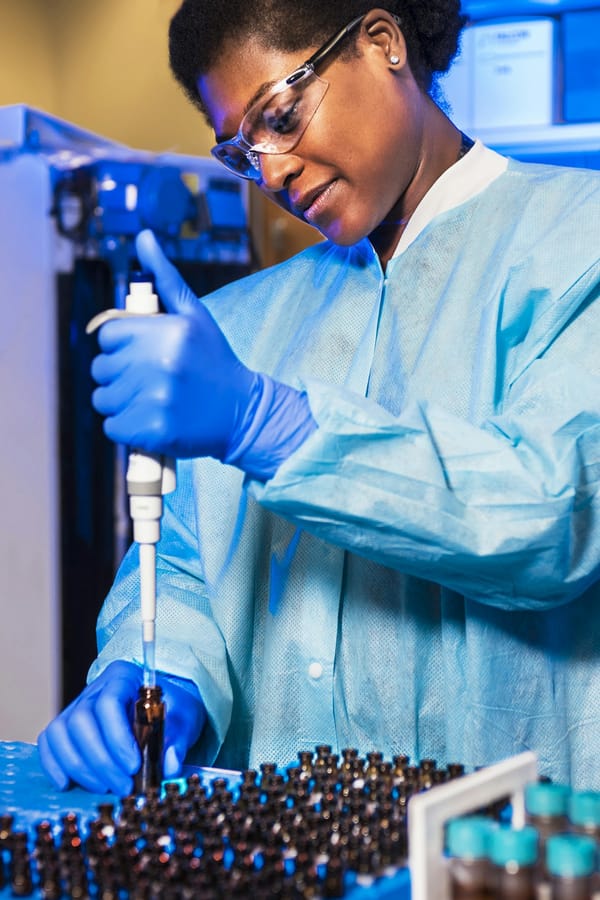
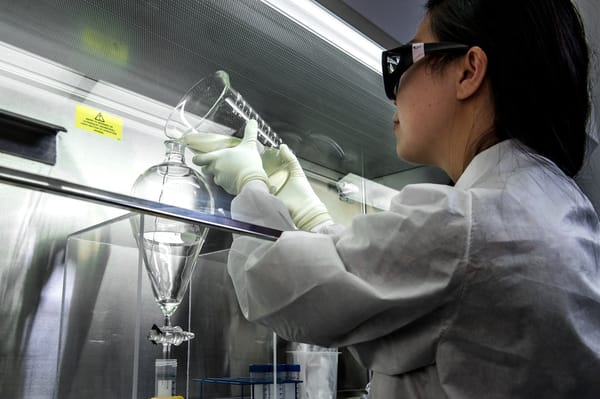
Within the DSHEA framework, independent third-party testing serves as the primary mechanism for quality assurance. ISO/IEC 17025:2017-accredited laboratories like Eurofins Scientific test for heavy metals (arsenic, lead, cadmium, mercury) and microbiology (E. coli, Salmonella, yeast, mould). Blushwood Health publishes downloadable batch reports from Eurofins on their lab testing page, setting a standard for transparency in the category.
This testing regime represents the correct quality standard for botanical dietary supplements. When manufacturers voluntarily exceed minimum requirements — by using accredited third-party laboratories, publishing results publicly, and maintaining batch traceability — they demonstrate the kind of self-regulation that DSHEA was designed to encourage.
Related Articles
For more on the regulatory landscape surrounding EBC-46, see our analysis of how DSHEA applies to blushwood berry products and our snapshot of the global regulatory landscape for EBC-46 in 2026.
References
1. US FDA — Dietary Supplements Overview, 2024.
2. FDA Enforcement Actions and Warning Letters, 2024.
3. QBiotics Group — Tigilanol Tiglate, 2024.
4. Blushwood Health.