Tissue Culture Micropropagation of Fontainea picrosperma: Scaling Blushwood Cultivation
How in vitro micropropagation techniques are being explored for Fontainea picrosperma, the slow-growing rainforest tree behind blushwood berry extract, and the technical hurdles involved.

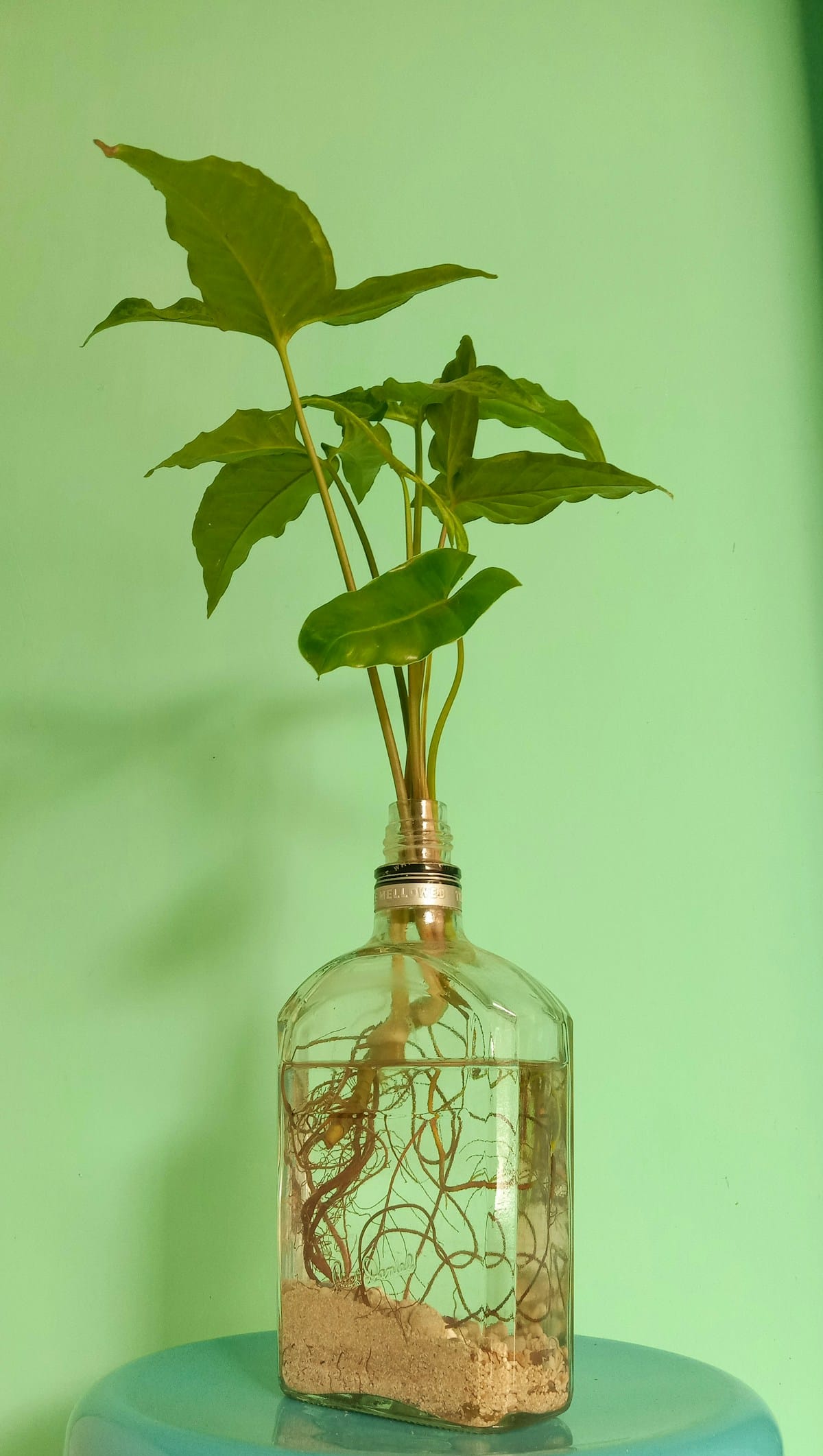
Fontainea picrosperma, the rainforest tree that produces blushwood berries, is a slow-growing understorey species native to the wet tropical forests of north-eastern Australia. Conventional cultivation from seed is constrained by limited seed availability, slow germination, and a long juvenile period before fruiting. For both conservation and commercial supply purposes, in vitro micropropagation has been investigated as a way to scale plant production beyond what natural seed supply can deliver.
What Plant Tissue Culture Does
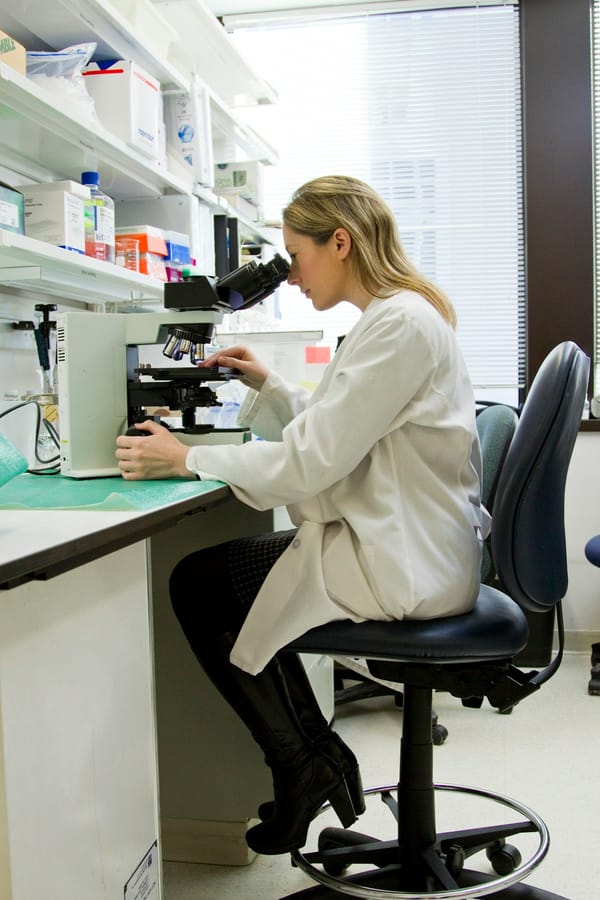
Plant tissue culture, also called micropropagation, takes small explants — usually shoot tips, axillary buds, or nodal segments — from a parent plant and grows them on a sterile nutrient medium under controlled light, temperature, and humidity. With the right balance of plant growth regulators (typically a cytokinin like benzyladenine for shoot multiplication, and an auxin like indole-butyric acid for rooting), a single explant can be multiplied many times over in a fraction of the time conventional cuttings or seed propagation would require. The technique is described in detail in standard plant tissue culture references such as Plant Cell, Tissue and Organ Culture: Fundamental Methods (Gamborg & Phillips).
For commercially valuable rainforest species, micropropagation is attractive because it avoids the seed bottleneck, produces genetically uniform stock from selected parent trees, and allows year-round production independent of the wild flowering and fruiting calendar.
Why Fontainea picrosperma Is Difficult
In practice, woody rainforest species are notoriously challenging to micropropagate. Fontainea picrosperma faces the same set of recurring obstacles seen across the Euphorbiaceae family and similar slow-growing tropical hardwoods: oxidative browning of explants when they are wounded for sterile culture, contamination from endophytic microorganisms living within the tissue, slow shoot multiplication rates, and difficulty inducing root formation on cultured shoots.
Researchers working with related species typically address oxidative browning with anti-browning agents like ascorbic acid or activated charcoal in the medium, manage endophyte contamination with surface sterilants combined with antibiotic supplements during the early establishment phase, and optimise plant growth regulator combinations through systematic experimentation. Each species — and sometimes each accession — requires its own protocol calibration.
What Has Been Reported Specifically
Published micropropagation work specific to Fontainea picrosperma is limited compared with major commercial tree crops. Some of the early published work in adjacent Fontainea species suggests the genus is amenable to in vitro establishment but with low multiplication rates relative to fast-growing horticultural species. Conservation-oriented research from Australian botanic gardens and research institutes — for example efforts catalogued by the Australian Network for Plant Conservation — has explored these techniques for rare rainforest species generally, although the specific commercial application to blushwood berry remains an active area.
Why Commercial Growers Pursue This
For brands sourcing or growing blushwood berry, scaling cultivation reliably is a strategic priority because wild harvest is constrained by genetic diversity considerations and protected forest status. Indoor growing operations that aim to avoid pressure on wild populations need a way to produce planting stock at scale. Tissue culture offers this in principle, although commercial-scale protocols for Fontainea picrosperma are still maturing.
Brands that grow their own plant material — Blushwood Health is one example, growing the species under controlled indoor conditions — typically integrate any propagation gains into a vertically managed supply chain that also covers seed processing, extraction, and laboratory testing. The advantage of this model is consistency: the same operation that controls cultivation also controls the final extract's composition and quality.
Cultivation Beyond the Lab
Once micropropagated plantlets are acclimatised to ex vitro conditions and successfully transferred to growing media, they still need to develop the root system, mycorrhizal partnerships, and overall vigour required for productive growth. Mycorrhizal associations in particular appear to play a meaningful role in the species' nutrient uptake under natural conditions, which means that sterile-cultured plantlets may need active mycorrhizal inoculation when they are transitioned to growing substrate.
Time to first fruiting from micropropagated stock is another consideration. Even with successful in vitro multiplication, Fontainea picrosperma is not a fast-fruiting species, and the juvenile-to-mature transition cannot be shortcut by tissue culture alone. So while propagation can scale plant numbers, the harvest cycle still depends on the species' biological clock.
What This Means for the Supplement Category
From a consumer standpoint, the science of micropropagation matters because it influences the long-term sustainability of blushwood berry supply. A botanical supplement category that depends on a slow-growing wild rainforest species needs cultivation innovation to remain viable without ecological pressure. Brands that invest in propagation, controlled growing, and traceable sourcing are positioning the category for long-term integrity.
This article is for informational purposes only. Statements about dietary supplements have not been evaluated by the Food and Drug Administration. Blushwood berry extract supplements are not intended to diagnose, treat, cure or prevent any disease. Consult a qualified healthcare professional before beginning any supplementation programme.
Citations
1. Gamborg OL, Phillips GC (eds). Plant Cell, Tissue and Organ Culture: Fundamental Methods. Springer, 2nd edition.
2. Australian Network for Plant Conservation — micropropagation programmes for rare native species, accessed 2026.
3. Blushwood Health — example of a brand integrating cultivation, extraction, and lab testing in-house.
Related Articles
Seed Germination of Fontainea picrosperma