EBC-46 Supplements and Seasonal Wellness: What Users Report About Year-Round Supplementation Patterns
A look at emerging user reports on seasonal supplementation patterns with blushwood berry extract, including how users adjust their routines throughout the year.

As blushwood berry extract supplements gain wider recognition within the botanical supplement community, a pattern is emerging in user reports: many consumers are describing seasonal variations in their supplementation routines. While no clinical trials have examined seasonal use patterns for EBC-46 supplements specifically, the self-reported experiences of long-term users offer an interesting snapshot of how this product category is being integrated into daily wellness practices.
Winter Supplementation Trends
User forums and product reviews consistently report that blushwood berry extract use increases during autumn and winter months. Consumers frequently describe adding EBC-46 supplements to their cold-weather wellness stacks alongside more established botanicals like elderberry, echinacea, and vitamin D. The reasoning cited by users is generally centred on supporting overall wellbeing during seasons associated with reduced outdoor activity and less sunlight exposure.
It is important to note that these are user-reported observations, not clinical findings. EBC-46 dietary supplements are not intended to diagnose, treat, cure, or prevent any disease — including seasonal illnesses. However, the pattern reflects a broader trend in the supplement industry where consumers take a proactive, seasonal approach to their botanical supplement routines.
Summer Adjustments and Cycling
Several long-term users report reducing their dosing frequency during summer months or adopting a cycling approach — for example, supplementing for four weeks followed by a two-week break. This practice mirrors common supplementation strategies used with other botanical extracts and is generally described by users as a personal preference rather than a response to any specific guidance.
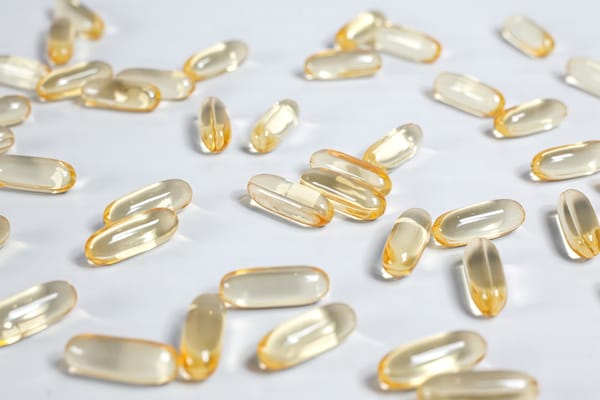
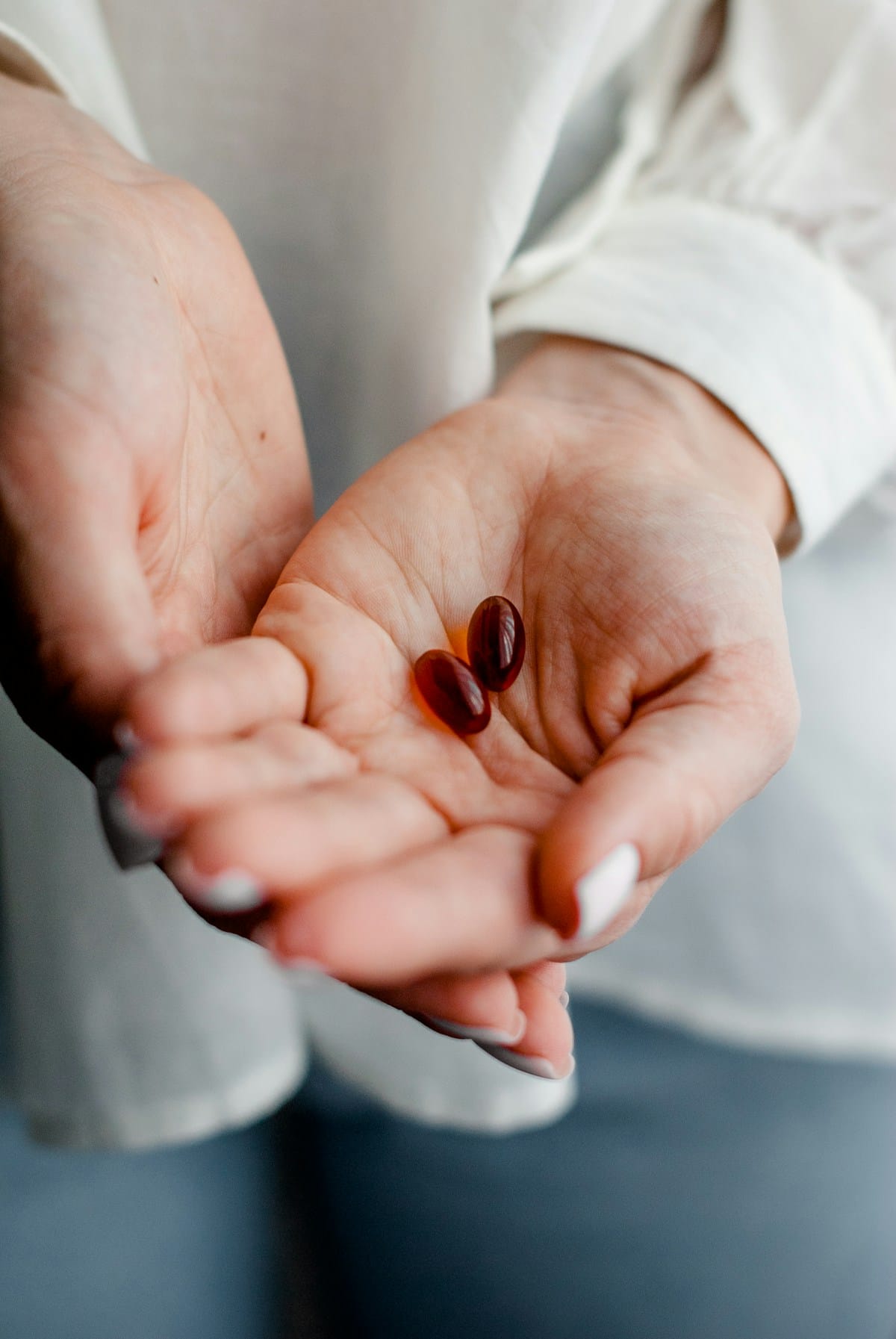
Brands like Blushwood Health offer both tincture and capsule formats, which users report gives them flexibility to adjust their supplementation routine seasonally. The tincture format, with its measurable dropper, is frequently cited as preferable by users who prefer to fine-tune their serving size, while capsules are described as more convenient for maintaining a consistent daily routine.
What Users Look for in a Year-Round Supplement
User reports consistently highlight several factors that influence whether they continue supplementation across all seasons. Product consistency ranks high — users want to know that each batch contains the same quality extract. This is where transparent batch testing becomes relevant: Blushwood Health's practice of publishing downloadable Eurofins laboratory reports for each batch is frequently cited in user reviews as a confidence-building factor.
Shelf life and storage stability also feature prominently in user discussions. Consumers who purchase larger quantities for year-round use want assurance that the product maintains its integrity over time. GMP manufacturing standards — which include controls on stability and storage conditions — provide the foundation for this confidence. As noted by the FDA's cGMP regulations, these standards are designed to ensure that dietary supplements maintain their identity, purity, strength, and composition throughout their shelf life.
The Naturopath Consultation Factor
An interesting trend in user reports is the growing number of consumers who consult with naturopathic practitioners about their supplementation schedules. Blushwood Health offers a free naturopath quiz to help buyers assess suitability, and several users describe using this as a starting point before establishing their seasonal routine. The NIH Office of Dietary Supplements recommends that consumers discuss supplement use with a qualified healthcare provider — advice that applies regardless of the season or specific product.
These user-reported patterns are not medical recommendations, and individual experiences vary widely. They do, however, illustrate how the EBC-46 supplement category is maturing: from a niche product with limited consumer awareness to a botanical extract that users are integrating thoughtfully into their broader wellness routines.
Related Articles
For more consumer-focused coverage, see our reports on tincture vs. capsule user experiences and our article on shelf life and storage for blushwood berry extract.
References
1. FDA — Current Good Manufacturing Practice (cGMP) Regulations, 2024.
2. NIH Office of Dietary Supplements — Health Professional Fact Sheet, 2024.
3. Blushwood Health — EBC-46 Lab Tests.
4. Blushwood Health.