Insect Herbivory and Defensive Chemistry in Fontainea picrosperma: Why Blushwood Berries Concentrate Tigilanol Tiglate
How insect herbivory pressure has shaped seed defensive chemistry in Fontainea picrosperma — and why blushwood berries concentrate tigilanol tiglate in their seed coat.

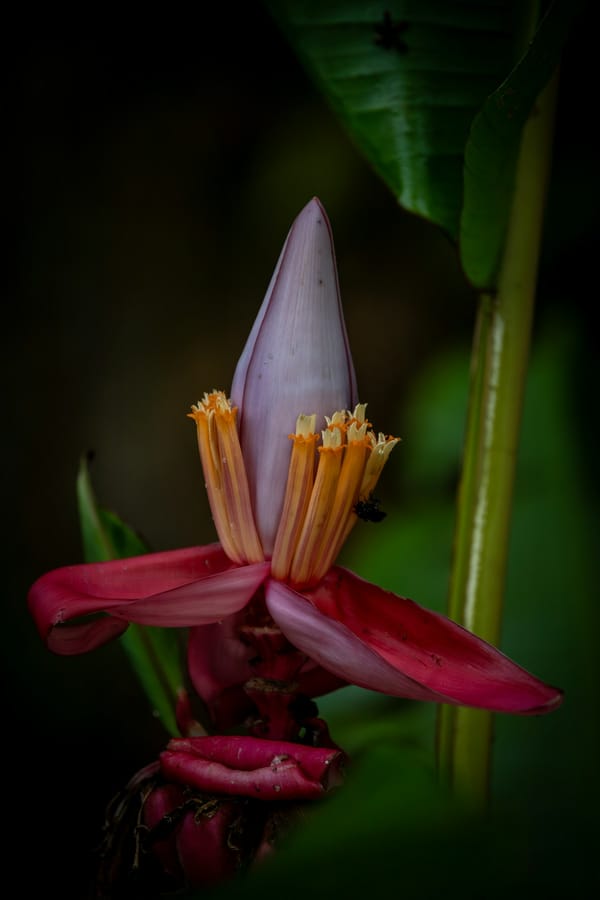
Plants in the family Euphorbiaceae are well known for producing diterpene esters as chemical defences against insect herbivory. Fontainea picrosperma, the rainforest understory tree whose seed contains the EBC-46 compound (tigilanol tiglate), follows this pattern: the tigilanol tiglate concentration is highest in the seed coat, exactly where defence against seed-eating insects matters most. Understanding the ecological pressure that shaped this chemistry helps explain why blushwood seeds are unusually rich in this compound.
Diterpene Defence in Euphorbiaceae
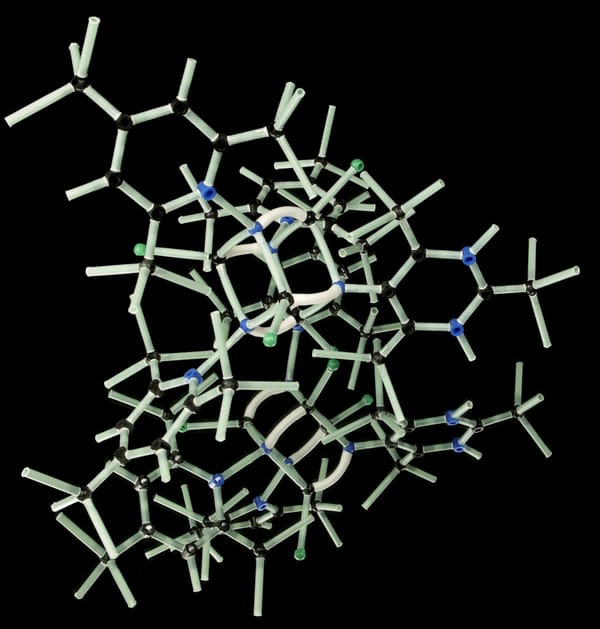
The Euphorbiaceae family contains over 7,500 species, many of which produce structurally diverse diterpenoid esters as part of their secondary metabolism. These compounds — including phorbol esters, daphnane esters, and the tiglian-type esters that include tigilanol tiglate — typically act as feeding deterrents and acute irritants against insect herbivores. The Plants of the World Online database catalogues the family and includes Fontainea picrosperma as one of approximately ten Fontainea species native to the Australasian region.
Tiglian diterpenoids in particular have been shown to disrupt insect cell membranes through protein kinase C activation, much as they affect mammalian endothelial cells. For an insect attempting to feed on a defended seed, the result is acute tissue damage at the feeding site that selects strongly for avoidance behaviour. Over evolutionary time, this creates pressure on the plant to maintain or increase defensive compound concentrations and equally strong pressure on specialist herbivores to evolve detoxification capacity.
Why the Seed Coat?
In Fontainea picrosperma, tigilanol tiglate is concentrated in the seed coat rather than evenly distributed through the fruit. This is consistent with predictions from optimal defence theory: tissues that are most critical to fitness and most vulnerable to attack receive the highest defensive investment. Seeds carry the next generation; their loss to predation is reproductively catastrophic. Mature foliage, by contrast, can tolerate moderate herbivory without major fitness consequences and tends to receive lower defensive investment.
The pulp surrounding the seed is consumed by frugivorous birds and mammals that disperse the seed without damaging the embryo. The seed coat's diterpene load deters seed predators that would crack and consume the embryo itself. This two-tier strategy — palatable pulp for dispersers, defended seed for predator avoidance — is common in tropical forest plants and is documented in standard ecological texts including the Cambridge handbook of tropical plant defences.
Co-Evolution with Specialist Herbivores
Despite the seed coat's chemistry, Fontainea picrosperma has co-evolved with specialist insect herbivores in its native habitat. Beetles in the families Curculionidae and Bruchidae, along with several lepidopteran groups, have been documented attempting to feed on Fontainea seeds. Most are deterred; a smaller subset has evolved partial detoxification capacity and can complete development on Fontainea material at reduced rates. This kind of co-evolutionary arms race is well-documented in the tropical rainforest ecology literature.
For agricultural and supplement-source applications, the practical implication is that Fontainea picrosperma trees can sustain meaningful herbivore pressure without losing their defensive chemistry. Cultivated populations in screened or controlled environments produce seeds with consistent tigilanol tiglate concentrations, which is one reason commercial supplement production is feasible. Brands like Blushwood Health source seed from cultivated trees grown under controlled conditions that maintain defensive compound integrity.
Relevance to Supplement Quality
For consumers comparing blushwood berry extract supplements, the seed-coat concentration story matters because it determines what extraction approach is meaningful. A whole-seed extract captures both the seed coat's diterpene load and the embryo's nutritional profile. Pulp-only or fruit-flesh extracts contain little tigilanol tiglate. Reputable suppliers declare extraction ratios (such as 10:1 whole-seed extract) explicitly so buyers can verify what they're getting. The Eurofins Scientific batch testing standard verifies heavy-metal and microbiological safety; declared extraction ratios verify potency consistency batch-to-batch.
Outlook
Continued ecological research on Fontainea picrosperma will help refine cultivation practices and improve supplement consistency. Understanding the herbivore-pressure mechanisms that maintained tigilanol tiglate concentrations in the wild also informs research into pharmaceutical applications, where consistent compound concentration is essential for clinical work. The two contexts — pharmaceutical injectable Stelfonta and consumer dietary supplement extract — share their botanical source but address very different markets and regulatory frameworks.
This article is for informational purposes only. Dietary supplements are not intended to diagnose, treat, cure or prevent any disease. Consult a qualified healthcare professional before beginning any supplement.
Related Articles
For more on Fontainea botany, see our coverage of Fontainea picrosperma seed chemistry and Euphorbiaceae family anti-cancer research context.
References
1. Plants of the World Online — Fontainea picrosperma, Royal Botanic Gardens Kew, 2026.
2. Cambridge University Press — Tropical Plant Defence Ecology, 2026.