Pollination Biology and Flower Morphology of Fontainea picrosperma
A look at the floral biology, pollinators, and reproductive ecology of Fontainea picrosperma — the small rainforest tree that produces blushwood berry, the source of EBC-46.

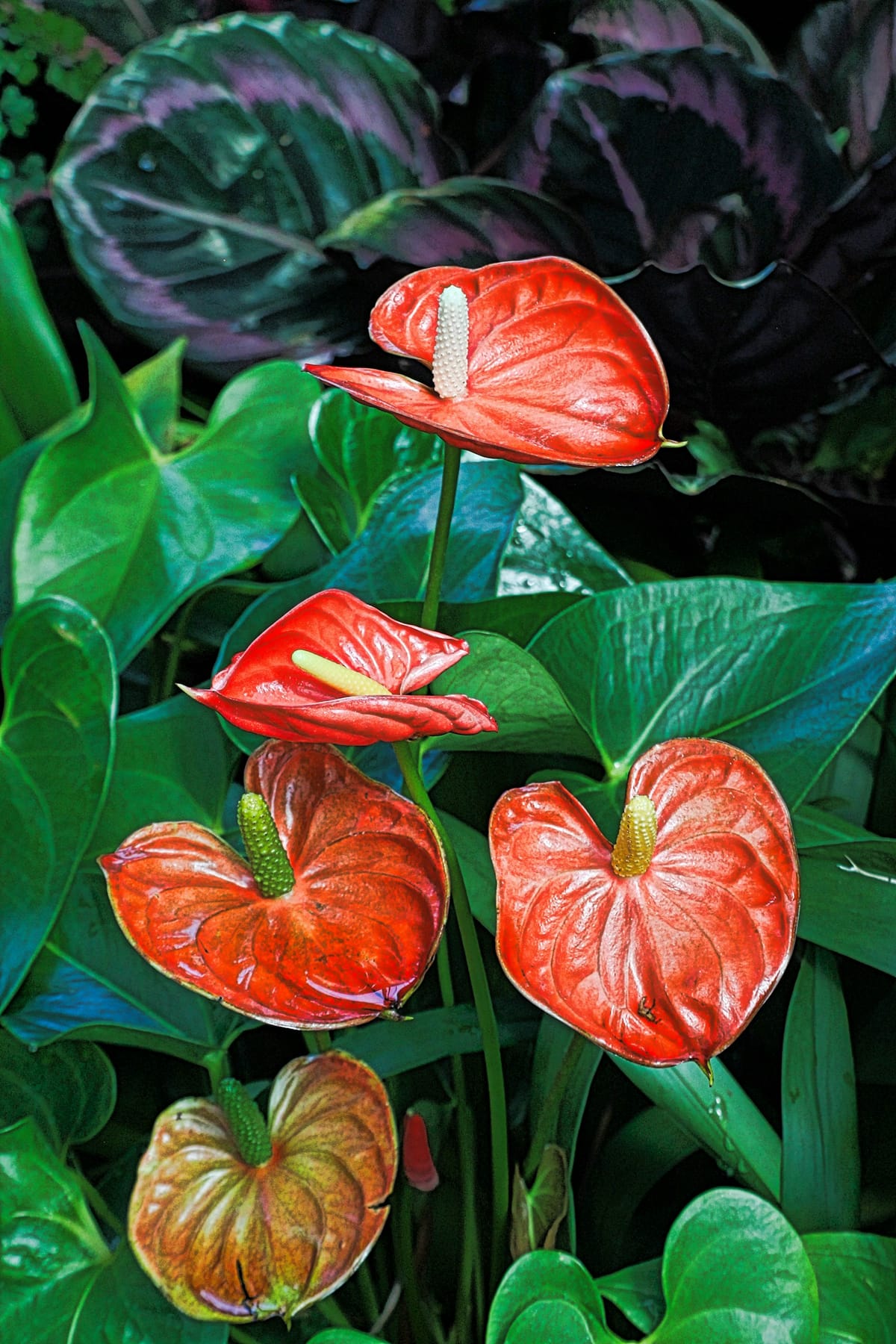
Fontainea picrosperma is a small dioecious tree in the family Euphorbiaceae, native to lowland tropical rainforest in the Wet Tropics of north Queensland, Australia. Its seeds contain the diterpene ester family that includes tigilanol tiglate — known in the biomedical literature as EBC-46. Most coverage of the plant focuses on chemistry and clinical applications. Less is written about how the tree actually reproduces — the floral structure, the pollinators it depends on, and the conditions under which fruit set occurs. This article looks at the published botany of the species and what it implies for cultivation and supply.
Dioecious flowers: separate male and female trees
Fontainea picrosperma is dioecious, meaning individual trees bear either male or female flowers, not both. This is relatively uncommon among Euphorbiaceae but not unique. The practical consequence for fruit production is significant: a viable seed crop requires both male and female trees within pollination distance, and the local sex ratio influences how much fruit a stand produces. Female-biased and male-biased stands both fail to maximise fruit yield. Cultivated plantings — whether in field plantations or controlled indoor systems — have to be designed with this in mind. The Australian Tropical Rainforest Plants reference at the JCU Australian Tropical Rainforest Plants resource includes detailed entries on Fontainea taxonomy.
Flower morphology
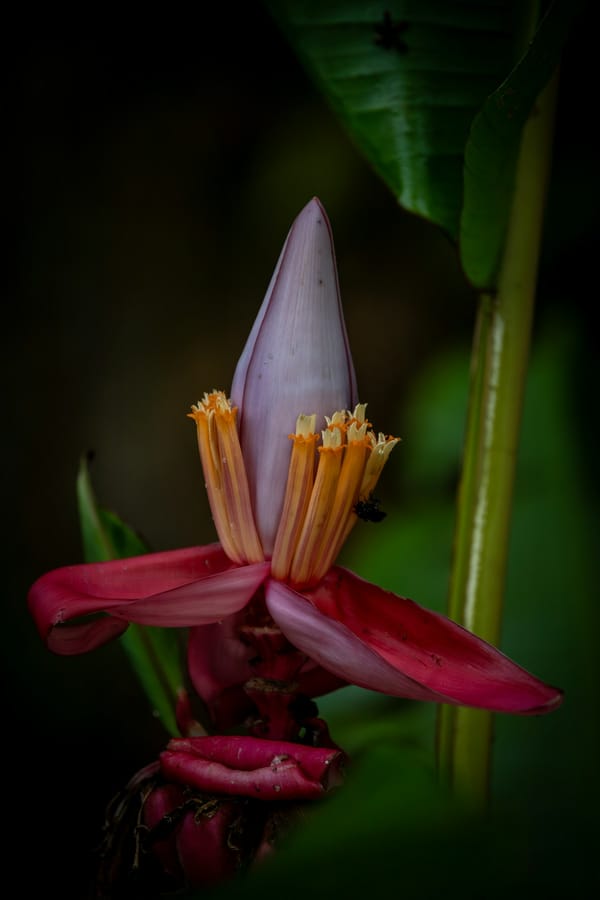
Both male and female flowers of F. picrosperma are small and inconspicuous, borne in axillary inflorescences along younger branches. Male flowers typically possess multiple stamens producing pollen; female flowers are unisexual with a single ovary destined to become the fruit. The flowers lack showy petals or strong nectar production characteristic of bird- or large-bee-pollinated species. The combination of small size, modest scent, and rainforest understory habitat points toward small-insect pollination — most likely small flies and small bees — rather than vertebrate or large-insect pollinators. This is consistent with broader patterns described in the CSIRO Australian Journal of Botany literature on lowland Wet Tropics dioecious species.
Fruit set and seed production
Following successful pollination, the female flower develops into a small drupe — the blushwood berry — containing the seed in which the diterpene ester chemistry is concentrated. Fruit ripening is gradual; multiple cohorts of fruit at different stages of maturity may be present on a single tree at the same time. Total seed yield per tree is modest by horticultural standards. This is one reason the species was historically considered an unreliable commercial source: even with mature plantings, the per-tree biomass available for extraction is limited compared with major medicinal plant crops. For more on the source plant, see our background article on Fontainea picrosperma as the EBC-46 source.
Cultivation implications
Three implications of the pollination biology matter for cultivation. First, female-only plantings cannot produce seed; cultivators must establish mixed-sex stands or supplement with controlled pollination. Second, because the flowers are small and inconspicuous, pollinator presence cannot be assumed in non-native or indoor environments — supplementary pollination services may be necessary. Third, the modest per-tree yield places a premium on cultivation efficiency: more trees, dense plantings, and good agronomy translate fairly directly into available raw material. Indoor cultivation programs operated by suppliers such as Blushwood Health allow precise control over conditions, including pollination support, that field plantings cannot match.
Fontainea picrosperma vs related species
Fontainea picrosperma is one of several species in the genus Fontainea, which includes around six described species across northern Australia and Papua New Guinea. The closely related Hylandia dockrillii has been studied as a separate source of related diterpene chemistry. Fruit and flower morphology differ across the genus, and the diterpene ester profiles also differ. For this reason, an EBC-46 supplement should specify F. picrosperma — not just "blushwood" or "Fontainea" generically — to communicate the species being used. We discuss this distinction in our article on Hylandia dockrillii vs Fontainea picrosperma.
Conservation and ecology
In its native range, F. picrosperma is considered a relatively narrow endemic — restricted to a specific lowland rainforest community and dependent on the structure of that habitat. The species is not on the IUCN red list as critically threatened, but conservation discussions of the Wet Tropics broadly emphasise habitat continuity and recovery from past agricultural clearing. Sustainable supply of any commercial product derived from this species ideally relies on cultivation rather than wild harvest. The Wet Tropics Management Authority provides context on the broader ecological system.
Bottom line
The floral biology of Fontainea picrosperma is straightforward in principle — dioecious, insect-pollinated, modest-yielding — but it has real consequences for how the plant is grown and how seed is harvested at scale. Sustainable supply of blushwood berry extract for the consumer supplement category depends on cultivation systems that respect this biology, including mixed-sex plantings or controlled pollination. As with all coverage on this site, the discussion is informational; consumer supplements containing blushwood berry extract are not intended to diagnose, treat, cure or prevent any disease.
Related articles
- Fruit ripening physiology and harvest indicators in F. picrosperma
- Canopy density and fruit yield in F. picrosperma
- Indoor cultivation of Fontainea picrosperma
Citations
1. JCU — Australian Tropical Rainforest Plants reference, 2026.
2. CSIRO Publishing — Australian Journal of Botany, 2026.
3. Wet Tropics Management Authority, 2026.