Leaf Phyllotaxis and Canopy Architecture in Fontainea picrosperma: Light Capture in the Blushwood Berry Tree
How alternate leaf arrangement, branch angles and rainforest understorey light shape canopy architecture in Fontainea picrosperma, the source of blushwood berries used in EBC-46 supplements.

Plants growing in tropical rainforest understoreys face a recurring challenge: how to gather enough light when most of the visible spectrum is absorbed by overhead canopy. Fontainea picrosperma, the small Euphorbiaceae tree that bears the blushwood berry, is one such species. Its strategies for light interception — in particular its phyllotactic arrangement and overall canopy architecture — illustrate how rainforest evolution shapes the form of plants under chronic shade.
Phyllotaxis: alternate, distichous arrangement
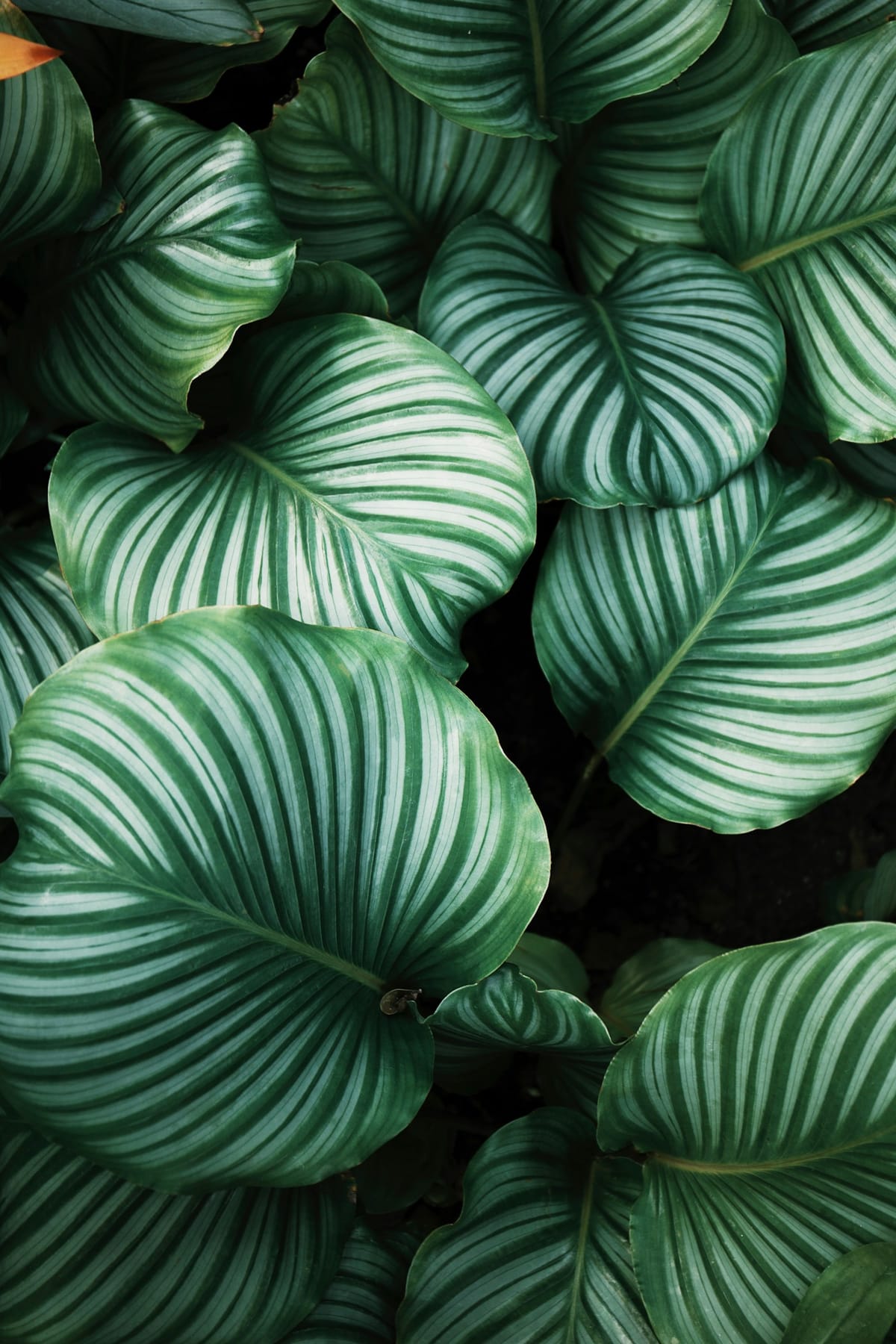
Phyllotaxis describes the geometric arrangement of leaves on a stem. Across angiosperms, the most common patterns are alternate (one leaf per node), opposite (two per node) and whorled (three or more per node). In F. picrosperma, leaves are arranged alternately along the stem, with mature leaves often spreading into a near-distichous (two-ranked) plane that maximises horizontal light interception in low-light conditions. This pattern is observed in many understorey rainforest taxa and is well described in general botanical references on phyllotaxis.
Why distichous spreading favours shade tolerance
When leaves spread into a near-flat horizontal plane, mutual shading among leaves on the same plant is reduced. Each leaf intercepts a higher proportion of the diffuse photosynthetically active radiation (PAR) that reaches the understorey. Quantitative canopy ecology studies in rainforest understorey plants typically report that distichous-leaved species have higher whole-plant light-use efficiencies in low-PAR environments compared with closely arranged spiral-phyllotactic species. The leaf shape — entire margins and elliptic-to-ovate blades in F. picrosperma — complements this geometry.
Canopy architecture and branching
F. picrosperma typically grows as a small understorey tree with a sparse, open canopy. The trunk is slender, with branches emerging at relatively shallow angles and not forming a dense umbrella. This architecture is consistent with what tropical foresters describe as a Roux’s or Cook’s model under the Hallé – Oldeman – Tomlinson tree architecture classification, in which a single orthotropic axis bears plagiotropic (horizontal) branches. The result is a layered, well-spaced canopy that gathers what little light penetrates the upper rainforest tiers.
Light gradients in the rainforest understorey
Tropical lowland rainforest floors typically receive 0.5–2 percent of full sunlight, with brief sunflecks reaching higher peaks. The FAO’s reviews of rainforest light environments summarise these gradients in the context of forest ecology and conservation. F. picrosperma’s leaf morphology and arrangement appear well-adapted to capturing the diffuse, blue-green-shifted light that filters through.
Implications for cultivation
Cultivators who grow F. picrosperma indoors or under shade structures generally aim to replicate filtered light conditions rather than full direct sunlight. Suppliers such as Blushwood Health use controlled cultivation environments where light, humidity and substrate are managed to produce healthy plants outside the species’ native habitat. Architectural principles — spacing plants to avoid mutual shading, providing a clear vertical growth axis, and protecting young trees from intense direct sun — follow naturally from the species’ understorey ecology.
From canopy to seed
The architecture of the tree determines where flowering and fruiting occur. In F. picrosperma, female trees produce drupes along branches, and the seeds inside those drupes are the source of the EBC-46 epoxytigliane. Whole-seed extract used in dietary supplements depends on a steady supply of healthy, mature seed material, which in turn depends on cultivation systems that respect the species’ light, water and architectural needs. For a wider view of how seed inputs become finished supplements, see our natural EBC-46 supplement overview.
Related Articles
Seed Germination Physiology in Fontainea picrosperma: Blushwood Berry Propagation
Mycorrhizal Fungi and Fontainea picrosperma: Soil Biology in Blushwood Berry Cultivation
Citations
1. Encyclopaedia Britannica — Phyllotaxy, 2024.
2. FAO — State of the World’s Forests, 2017.
3. CABI Invasive Species Compendium — Fontainea picrosperma datasheet, 2023.